
Regular physical activity helps lower blood sugar levels naturally, improves your body's insulin response, and supports healthy weight control for better diabetes outcomes.
Start Your Walking Journey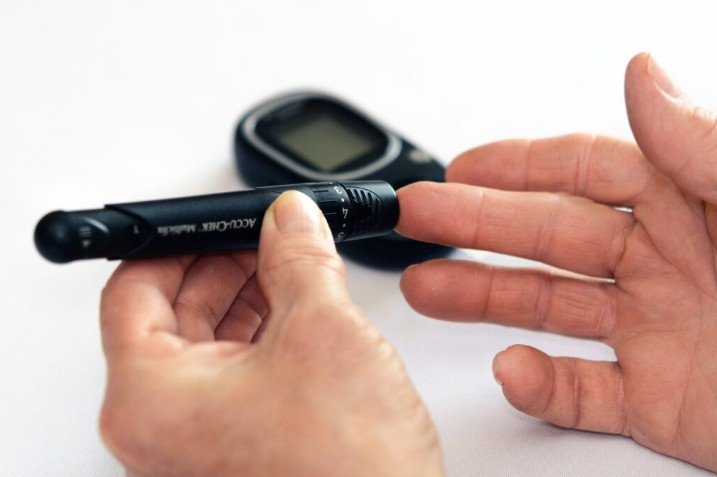
Physical movement plays a crucial role in managing diabetes. When you walk, your muscles use glucose from your blood for energy, which naturally lowers blood sugar levels without medication.
Regular walking improves how your body responds to insulin. This means your cells become better at absorbing sugar from the bloodstream, leading to more stable glucose levels throughout the day.
Even short walks after meals can make a significant difference. Studies show that 10-15 minute walks after eating help prevent the sharp blood sugar spikes that often occur following meals.
Walking makes your muscles consume glucose for energy, naturally reducing blood sugar levels. This effect lasts for hours after you finish your walk.
Regular movement helps your cells respond better to insulin. This makes it easier for your body to move sugar from blood into cells where it belongs.
Walking burns calories and helps maintain healthy weight. Even modest weight loss significantly improves diabetes control and reduces medication needs.
Regular walking strengthens your cardiovascular system, lowers blood pressure, and reduces cholesterol levels - all critical for people with diabetes.
Physical activity decreases stress hormones that raise blood sugar. Walking outdoors also improves mood and mental wellbeing alongside glucose control.
Always check your blood sugar before walking. Avoid exercise when glucose levels exceed 15 mmol/L, as physical activity can raise sugar levels further when they are already very high.
Carry fast-acting carbohydrates like glucose tablets or juice in case blood sugar drops too low during activity. This is especially important if you take insulin or certain diabetes medications.
Wear proper footwear with good support and check your feet daily for any cuts or blisters. People with diabetes need extra care with foot health to prevent complications.
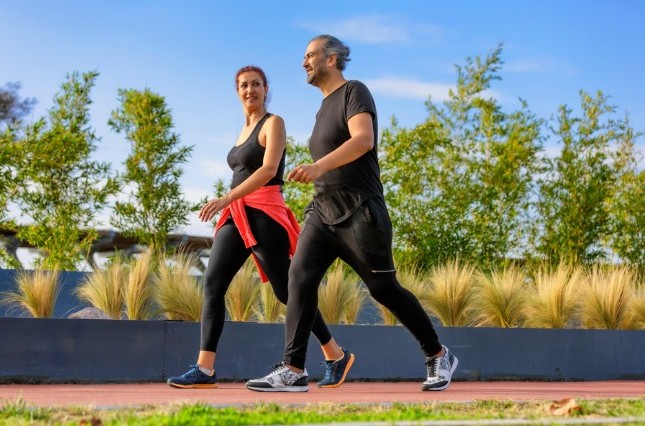
Start gradually if you are not used to regular exercise. Begin with 10-minute walks and slowly increase duration as your fitness improves. Consistency matters more than intensity when managing diabetes.
Walking after meals provides the most benefit for blood sugar control. A 15-minute walk after breakfast, lunch, or dinner helps prevent glucose spikes and improves overall daily control.
Talk with your doctor before starting any new exercise program. They can help you set appropriate goals and adjust medications if needed as your activity level increases and blood sugar control improves.
"I started walking 20 minutes after dinner every evening. Within three months, my blood sugar readings improved significantly. My doctor even reduced one of my medications."
— Rajesh Kumar, Bangalore
"Short walks after each meal made a bigger difference than I expected. My post-meal sugar levels stayed much more stable, and I felt more energetic throughout the day."
— Priya Sharma, Delhi
"Walking with a friend every morning keeps me motivated. My weight came down gradually, and my overall diabetes control improved. Physical activity really does make a difference."
— Amit Patel, Mumbai
"I was nervous about exercising with diabetes, but starting slowly with short walks worked well. Now I walk 30 minutes daily and my HbA1c levels are the best they have been in years."
— Sunita Reddy, Hyderabad
Email:
hello (at) lekuralo.com
Phone:
+91 80 4152 7389
Address:
78, Brigade Road, Bangalore 560025, Karnataka, India
Aim for at least 30 minutes of walking daily, which you can split into shorter sessions. Even three 10-minute walks throughout the day provide significant benefits for blood sugar control.
Walking after meals is most effective for controlling blood sugar spikes. A 15-minute walk after breakfast, lunch, or dinner helps your muscles use the glucose from your meal.
Avoid walking when blood sugar exceeds 15 mmol/L. At very high levels, exercise can raise blood sugar further. Always check your glucose before physical activity and consult your doctor about safe ranges.
Regular walking may improve blood sugar control enough that doctors can reduce medication doses. However, never adjust medications without consulting your healthcare provider first.
Always carry fast-acting carbohydrates like glucose tablets or juice in case blood sugar drops. Bring your phone, wear medical identification, and tell someone your walking route and expected return time.